
Clinical research has transformed modern medicine in ways that were once unimaginable. From vaccines and cancer therapies to biosimilars and precision medicine, nearly every major advancement in healthcare can be traced back to the patients, investigators, clinicians, and research professionals who made clinical trials possible.
The world of clinical research goes back to around the 500s BCE, with one of the first recorded comparative experiments in the Book of Daniel detailing a trial comparing the health of vegetarians to those who consumed meat and wine.
International Clinical Trials Day, observed annually on May 20, commemorates what is widely considered the first controlled clinical trial conducted by Scottish physician James Lind in 1747, who was looking for the cure for scurvy among sailors. His findings established an early foundation for controlled medical testing and evidence-based medicine.
We have come a long way since then, but these examples illustrate the desire to improve the lives of individuals that we have today.
The core mission for those in clinical research remains unchanged: improving patient outcomes through scientific study and research.
Clinical Trials Continue to Shape the Future of Medicine
The role of clinical trials has expanded significantly over the last decade. Beyond evaluating safety and efficacy, today’s studies increasingly support global regulatory strategies, precision therapies, biomarker-driven development, and accelerated approval pathways.
This evolution has placed greater pressure on sponsors and research organizations to deliver high-quality data quickly while maintaining compliance and patient safety.
At the same time, expectations surrounding early-phase research have changed considerably. Regulators now expect stronger data integrity, traceability, and operational consistency beginning in Phase I.
The pace of innovation has also intensified. Adaptive trial designs, decentralized technologies, electronic source systems, digital consent platforms, and real-time data review processes are reshaping how studies are conducted across the industry.
While technology has introduced new efficiencies, it has also reinforced the importance of operational coordination. Successful studies increasingly depend on how effectively sites, sponsors, CROs, and clinical teams align around execution.
Recognizing the People Behind Clinical Research
International Clinical Trials Day is about recognizing the individuals who make research possible.
Clinical research needs don’t stop during holidays or weekends. A few years ago, the AXIS team was able to execute a complicated study during Memorial Day weekend and push the research forward to meet the customer’s timeline. This is the reality of clinical research: research evolution doesn’t stop at 5:00 PM on Friday.
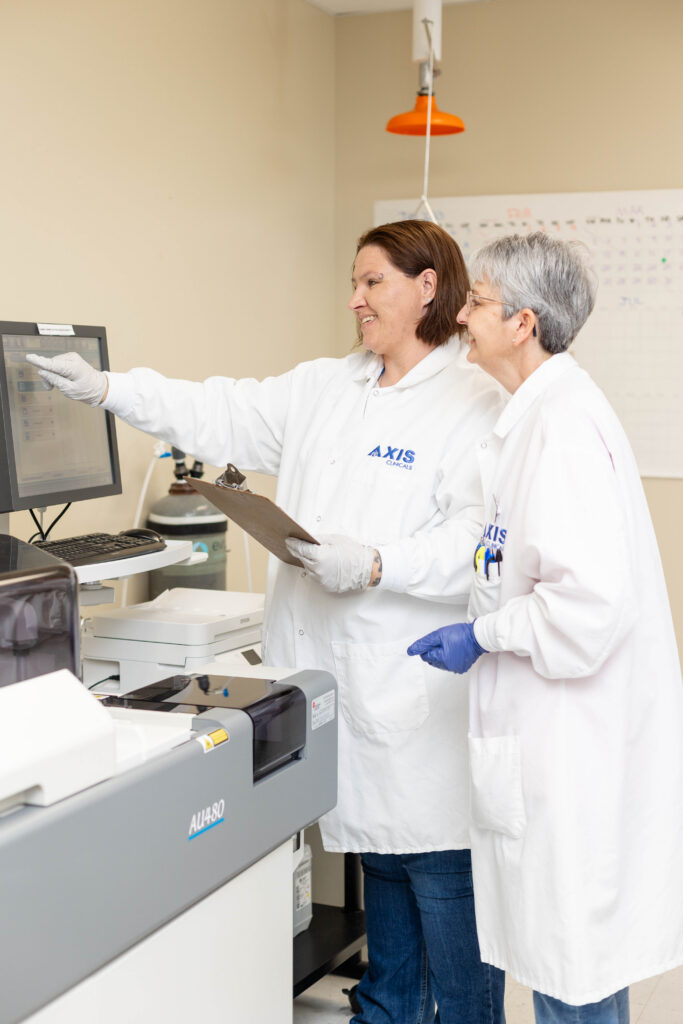
Clinical research professionals operate within highly complex environments where timelines are compressed, protocols are increasingly sophisticated, and regulatory expectations continue to evolve. Study coordinators, investigators, nurses, data managers, laboratory teams, medical monitors, and operational staff all play a critical role in ensuring trials are conducted safely and accurately.
Equally important are trial participants themselves. Every advancement in medicine depends on the willingness of patients and healthy volunteers to participate in clinical research. Their contributions help shape therapies that may ultimately improve or save millions of lives around the world.
Early-Phase Excellence Matters More Than Ever
Many of the challenges sponsors face later in development often originate in the earliest stages of research.
In early-phase trials, operational inefficiencies can quickly affect timelines, data quality, regulatory readiness, and future decision-making. Delayed recruitment, fragmented systems, inconsistent data capture, and slow safety review processes can create complications down the road that become increasingly costly over time.
This is why integrated operational models are becoming more important across Phase I programs. Sponsors are placing greater emphasis on rapid enrollment capabilities, near real-time data access, streamlined bioanalytical workflows, and submission-ready data practices from the beginning of development.
The ability to move quickly without compromising quality has become the defining differentiator in modern clinical research.
Looking Ahead
It’s safe to say we have come a long way from researching scurvy on the HMS Salisbury. But as research and development in the industry evolves, those in clinical research will be ready to adapt and lead the charge.
International Clinical Trials Day is a day to honor the collaboration between researchers, healthcare professionals, operational teams, sponsors, and participants working toward a shared goal of advancing medicine.
At AXIS Clinicals, we recognize and celebrate the contributions of every clinical research professional and participant helping move the industry forward. Their work continues to shape the future of healthcare for patients around the world.