
How the FDA’s 2025 Guidance Updates Are Reshaping Clinical Trials

The FDA’s 2025 draft guidance updates are set to change the way sponsors and their partners approach early-phase clinical development. For CROs, these updates aren’t just regulatory checkpoints, they represent new expectations around trial design, execution, and long-term planning. As sponsors seek CROs who can interpret, operationalize, and anticipate regulatory shifts, the ability to navigate […]
Why Data Entry Is the Backbone of Every Clinical Study

In clinical research, data is the backbone of every trial. Sponsors, regulators, and patients all depend on its accuracy to guide decisions about safety, efficacy, and approval. Yet one of the most critical steps in this process, data entry, is often underestimated as “just” administrative work. How data is entered, verified, and managed can make […]
Seeing What Topicals Really Do at the Microscopic Level

In clinical research, every decision about product development hinges on data. For topical drugs and dermatology products in particular, gathering that data has always been a challenge. How do you know, with certainty, that an active ingredient is doing what it is supposed to do once it reaches the skin? Traditional approaches have left sponsors […]
How Novel Drug Delivery Systems Are Challenging Traditional BE Study Design

Bioequivalence (BE) studies have long relied on well-established assumptions about how drugs are administered, absorbed, and measured in the body. Traditional solid oral dosage forms such as tablets and capsules produce relatively predictable pharmacokinetic (PK) profiles that align well with conventional crossover BE designs and standard plasma sampling strategies. However, drug developers are increasingly moving […]
How Genetic Variability Is Being Accounted for in Bioequivalence and PK/PD Studies

As drug development becomes increasingly global, sponsors are paying closer attention to how genetic variability influences pharmacokinetics (PK), pharmacodynamics (PD), and bioequivalence (BE) outcomes. Differences in drug metabolism, transport, and receptor sensitivity across populations can meaningfully affect exposure profiles and therapeutic response. For BE and PK/PD studies in particular, these differences introduce both scientific complexity […]
The Role of Metabolomics and Biomarker Analysis in Early Phase Clinical Trials
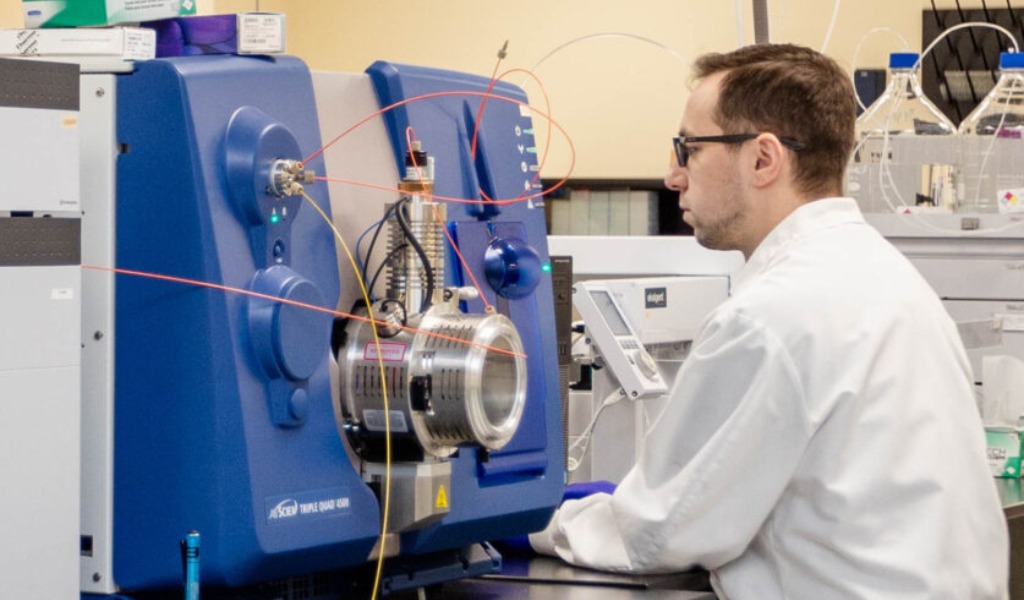
The rise of metabolomics and biomarker analysis in early phase clinical trials is reshaping how development teams evaluate pharmacological activity, human variability, and early indicators of safety. For regulatory professionals, these tools present both opportunity and complexity. They offer stronger evidentiary support for early mechanistic understanding, yet they also introduce new demands around data interpretation, […]